iPhone 17 Pro vs Xiaomi 15T Camera Test 2026
iPhone 17 Pro vs Xiaomi 15T Camera Test 2026
Smartphone cameras are no longer just simple point-and-shoot tools. They are now serious creative devices for vloggers, travelers, casual photographers, and even professional content creators. The iPhone 17 Pro and Xiaomi 15T are two strong examples of this shift. Both phones focus on different users. The iPhone 17 Pro is built for creators who want advanced video control, flexible editing, and professional formats like ProRes RAW.
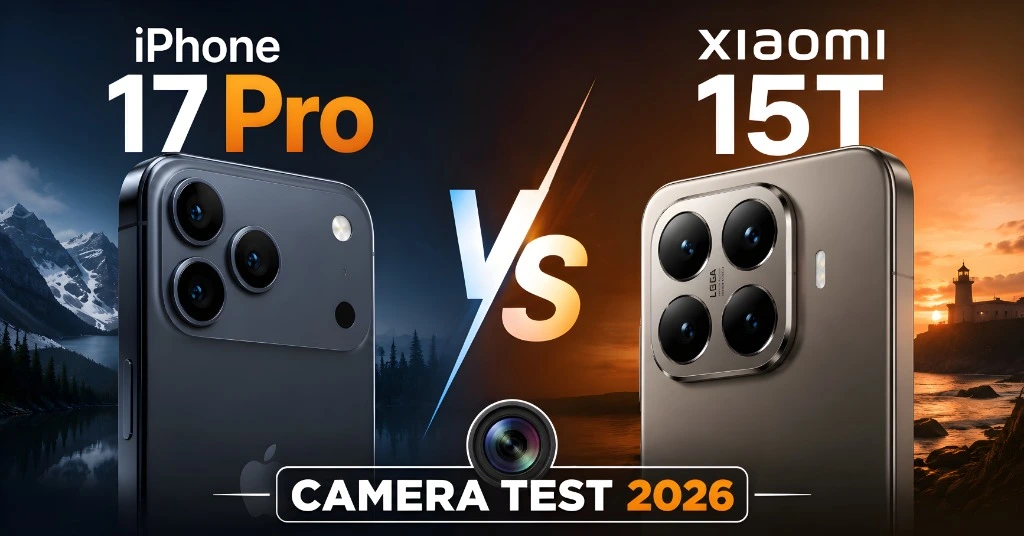
The Xiaomi 15T is designed for users who want strong photography, Leica-tuned colors, HDR support, and reliable camera performance at a more affordable price. This comparison explains the real camera differences between the iPhone 17 Pro and Xiaomi 15T. We will look at Open Gate video, ProRes RAW, Leica camera tuning, HDR performance, zoom quality, editing flexibility, and daily use. By the end, you will know which phone better matches your photography and video style.
iPhone 17 Pro vs Xiaomi 15T Camera
The iPhone 17 Pro is better for serious video creators because it supports Open Gate recording, ProRes RAW, Apple Log 2, and advanced editing workflows. It gives more control in post-production and is ideal for cinematic content. The Xiaomi 15T is better for casual users and budget-conscious photographers. It offers a strong 50MP Leica main camera, 2x telephoto zoom, HDR video, and attractive Leica color modes at a lower price.
In simple words, choose the iPhone 17 Pro for professional video work. Choose the Xiaomi 15T for everyday photography, travel shots, portraits, and social media content.
iPhone 17 Pro Camera: Built for Advanced Video Creators
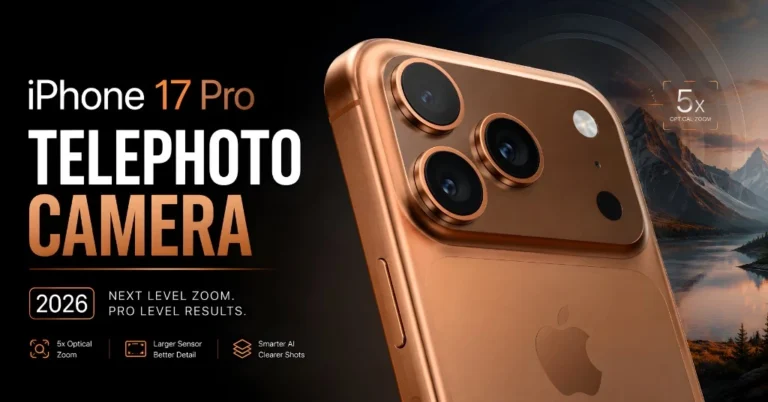
The iPhone 17 Pro is clearly focused on creators who want more than normal smartphone video. Apple has pushed the device closer to a compact filmmaking tool. Its biggest strengths are not only sharp photos or clean video. The real value comes from professional recording options, flexible framing, and better editing control.
For YouTubers, filmmakers, vloggers, and social media creators, these features can save time during editing. They also make one video clip usable across several platforms.
What is Open Gate Video on iPhone 17 Pro?
Open Gate video means the camera records using the full sensor area instead of locking the footage into a standard widescreen crop. This gives you more image area to work with later. Most videos are recorded in a fixed 16:9 frame. That is fine for YouTube or TV, but it can be limiting for modern content creators.
Today, one video may need to work on YouTube, Instagram Reels, TikTok, Facebook, and Shorts. Open Gate gives extra flexibility because you can crop the same footage into different formats.
Why Open Gate Video Matters
Open Gate video is useful because it gives you more room during editing. You can adjust framing without losing as much quality.
It helps with:
For example, you can record a landscape scene once and later crop it for YouTube, Instagram, or TikTok. This is very useful for creators who do not want to shoot the same scene multiple times.
ProRes RAW on iPhone 17 Pro: Why It Matters
ProRes RAW is one of the biggest video advantages of the iPhone 17 Pro. It gives creators more control over color, exposure, highlights, shadows, and overall image quality.
Normal smartphone video is already processed by the phone. It may look good, but it gives less flexibility in editing. ProRes RAW keeps more image information, which helps when you want to color grade or correct footage professionally.
Standard ProRes RAW vs ProRes RAW HQ
The iPhone 17 Pro supports different levels of ProRes RAW recording. Standard ProRes RAW is easier to manage because the files are smaller. It is useful for creators who want better quality without making storage too difficult. ProRes RAW HQ keeps more data and gives the best quality. It is better for studio shoots, short films, music videos, commercials, and serious content projects.
The downside is file size. ProRes RAW files can become very large. A longer clip can take many gigabytes of storage. This is why serious users should record to an external SSD when working with high-quality formats.
iPhone 17 Pro Editing Workflow
The iPhone 17 Pro works best when paired with a proper editing workflow. If you are only recording normal daily clips, you may not need ProRes RAW. But if you want cinematic results, the workflow matters.
A strong workflow may include:
This is where the iPhone 17 Pro becomes powerful. It is not just about capturing the video. It is about how much control you have after recording.
Tips for Using the iPhone 17 Pro Camera
To get the best results from the iPhone 17 Pro:
Do not use ProRes RAW for every video. It is powerful, but it creates large files and needs more editing time.
Xiaomi 15T Camera: Affordable Leica Photography
The Xiaomi 15T takes a different approach. It is not trying to beat the iPhone 17 Pro in professional video workflow. Instead, it focuses on giving users a strong photography experience at a more affordable price. The phone includes a Leica-tuned camera system, a 50MP main sensor, a 50MP telephoto camera, and a 12MP ultra-wide camera. This setup is practical for daily photography.
It is a good choice for users who want attractive colors, sharp daytime photos, good portraits, and usable HDR video without paying premium flagship prices.
Xiaomi 15T Camera Specs Overview
Here is a simple overview of the Xiaomi 15T camera setup:
| Camera | Specs |
|---|---|
| Main Camera | 23mm, 50MP, f/1.7, Light Fusion 800, OIS |
| Telephoto Camera | 46mm, 50MP, f/1.9, 2x optical-style zoom |
| Ultra-Wide Camera | 15mm, 12MP, f/2.2, 120-degree field of view |
| Front Camera | 21mm, 32MP, f/2.2 |
| Video | Up to 4K recording |
| Color Modes | Leica Vibrant and Leica Authentic |
| Zoom | Digital zoom up to 60x |
This camera system is flexible enough for travel, portraits, food photography, outdoor scenes, street shots, and social media photos.
Xiaomi 15T Main Camera Performance
The 50MP main camera is the strongest part of the Xiaomi 15T. It captures good detail in daylight and produces pleasing colors. Photos usually look sharp and clean. The Leica color tuning gives images a more polished look. This is useful for users who want photos that look ready to share without heavy editing.
The main camera is best for:
The sensor is not as advanced as higher-end flagship models, but it performs well for its price range.
Xiaomi 15T Telephoto Camera and Zoom
The Xiaomi 15T includes a 50MP telephoto camera with a 46mm equivalent focal length. This gives around 2x zoom, which is very useful in real life. A 2x lens is great for portraits because it gives a more natural face shape than a wide lens. It also helps you take cleaner photos of objects that are slightly far away.
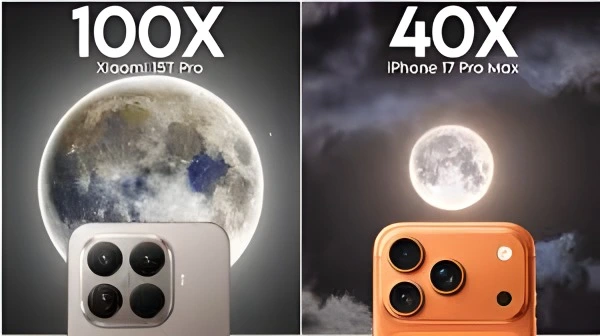
Digital zoom is available up to 60x, but it should be used carefully. The best results usually come from staying close to the 2x optical range. Higher digital zoom can lose detail, especially in low light. For casual users, the 2x telephoto camera is more useful than extreme zoom numbers.
Xiaomi 15T Ultra-Wide Camera
The ultra-wide camera is useful for scenes where you need to fit more into the frame. It is good for landscapes, buildings, interiors, group photos, and travel shots. The 12MP resolution is lower than that of the main and telephoto cameras, so the detail is not as strong.
Still, it is useful for everyday wide-angle photography. Use the ultra-wide camera when you want a dramatic perspective or need to capture a larger scene.
HDR Video and Leica Color Modes on Xiaomi 15T
HDR is one of the most useful features on the Xiaomi 15T. It helps improve contrast, highlights, and shadow detail. This is especially helpful when shooting bright skies, sunny streets, or backlit subjects. HDR should be enabled when the scene has big light differences. For example, it can help when you are filming a person outdoors with a bright sky behind them. The Xiaomi 15T also includes two Leica color modes:
Leica Vibrant
Leica Vibrant gives brighter, livelier colors. It is better for most users because photos look more eye-catching without needing much editing.
This mode is good for:
Leica Authentic
Leica Authentic gives a more muted and classic look. It may appeal to users who prefer natural contrast and a less processed style.
This mode is good for:
For most casual users, Leica Vibrant will be the better everyday choice.
iPhone 17 Pro vs Xiaomi 15T Camera Comparison
Here is a simple side-by-side comparison:
| Feature | iPhone 17 Pro | Xiaomi 15T |
| Best For | Professional video creators | Casual photographers |
| Video Strength | Open Gate, ProRes RAW, Apple Log 2 | HDR video, 4K recording |
| Editing Flexibility | Very high | Standard |
| Main Camera Style | Advanced computational photography | Leica-tuned color |
| Zoom | Stronger pro Zoom system | Useful 2x telephoto |
| Color Control | Better for editing and grading | Better ready-to-share colors |
| Storage Needs | High for ProRes RAW | Normal for most users |
| Price Position | Premium | Affordable-midrange |
| Learning Curve | Higher | Easier |
Which Phone Is Better for Video?
The iPhone 17 Pro is the better video phone. Its Open Gate support, ProRes RAW, Apple Log 2, and professional workflow features make it stronger for serious creators.
It is ideal for:
The Xiaomi 15T still records good video, especially for casual use. But it does not offer the same level of raw video control or editing flexibility.
Which Phone Is Better for Photography?
For casual photography, the Xiaomi 15T gives excellent value. Its Leica-tuned colors, 50MP main camera, and 2x telephoto lens make it easy to capture attractive photos. The iPhone 17 Pro is still more powerful overall, especially in advanced processing, zoom, and pro workflows. But many casual users may not need that level of control.
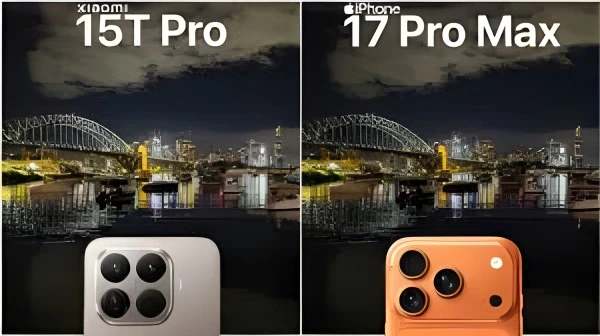
If you want simple, good-looking photos, the Xiaomi 15T is enough. If you want the best creative control, the iPhone 17 Pro is stronger.
Tips for Using the Xiaomi 15T Camera
To get better results from the Xiaomi 15T:
For most users, the Xiaomi 15T works best when you use the main camera and Leica Vibrant mode.
Frequently Asked Questions (FAQs)
CONCLUSION
The iPhone 17 Pro and Xiaomi 15T are both strong camera phones, but they are made for different users. Choose the iPhone 17 Pro if you want professional video features, Open Gate recording, ProRes RAW, Apple Log 2, and maximum editing flexibility. It is the best phone for filmmakers, vloggers, YouTubers, and serious content creators. Choose the Xiaomi 15T if you want reliable photography, Leica-enhanced colors, HDR video, and strong everyday camera performance at a lower price.
It is a smart choice for casual photographers, travelers, and social media users. The iPhone 17 Pro is the better creative tool. The Xiaomi 15T is the better value camera phone. Both phones prove that smartphone cameras are now more powerful than ever. The best choice depends on your needs. If you edit deeply, choose iPhone. If you want beautiful photos with less effort, choose Xiaomi.