Xiaomi 13 Pro Camera Review 2026: 1-Inch Sensor
Xiaomi 13 Pro Camera Review 2026: 1-Inch Sensor
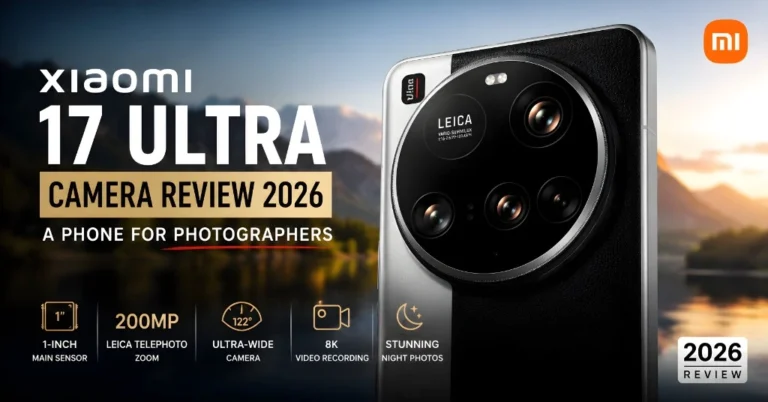
The Xiaomi 13 Pro is not just another flagship smartphone with a high-megapixel camera. It represents a major step forward in mobile photography because of one important feature: its 1-inch type main camera sensor. Most smartphones depend on small sensors and heavy software processing to improve photos. The Xiaomi 13 Pro takes a different route. It uses a much larger sensor, similar to the kind once found in premium compact cameras like the Sony RX100 series.
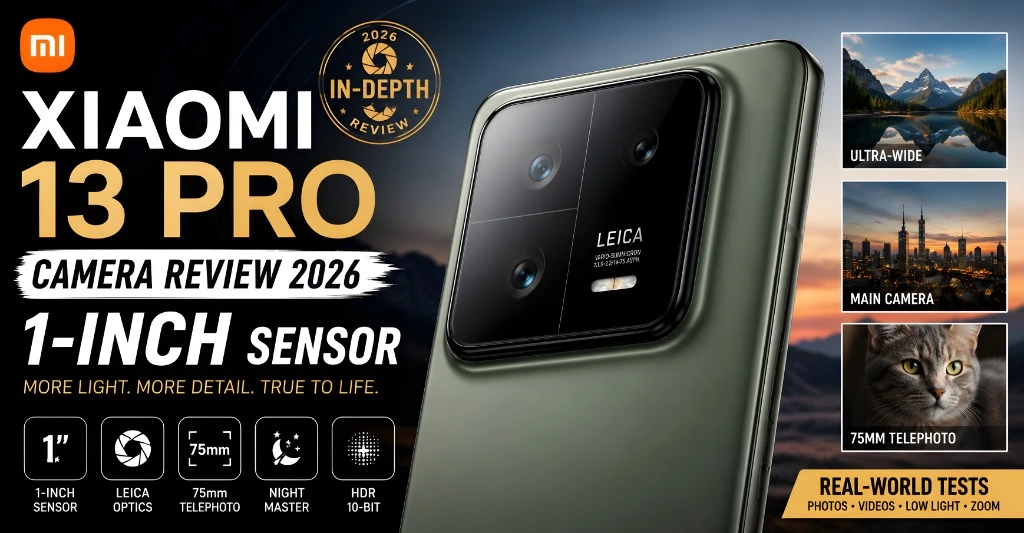
This larger sensor helps the phone capture more light, more detail, and better natural depth. For photographers, content creators, and serious mobile users, this is more than a marketing feature. It can improve real-world image quality, especially in low light, portraits, landscapes, and creative shooting.
Xiaomi 13 Pro Camera Review
The Xiaomi 13 Pro may not be the newest flagship in 2026, but its camera system still makes it one of the most interesting phones to review. Built in partnership with Leica, the Xiaomi 13 Pro focuses on natural colors, strong detail, cinematic portraits, and serious low-light performance.
In this camera review, we will test how well it performs in real-life situations, including daylight photos, night shots, portraits, zoom, ultra-wide images, video quality, stabilization, and overall camera reliability in 2026.
Key Camera Specs of the Xiaomi 13 Pro
The Xiaomi 13 Pro comes with a strong triple-camera setup. Each lens is designed for a different shooting style, giving users more flexibility.
Here is a quick overview of the Xiaomi 13 Pro camera system:
This camera setup makes the Xiaomi 13 Pro suitable for many types of photography. You can shoot wide landscapes, close portraits, street scenes, travel photos, indoor shots, and social media content with one device. The main camera is the real highlight. Its large sensor gives it an advantage over many standard smartphone cameras.
Key Camera Specs
| Camera Feature | Xiaomi 13 Pro Specification |
|---|---|
| Main Camera | 50MP Leica wide camera |
| Main Sensor | Sony IMX989, 1-inch sensor |
| Main Lens | 23mm equivalent focal length |
| Main Aperture | f/1.9 |
| Main Camera Stabilization | HyperOIS optical image stabilization |
| Main Pixel Size | 1.6μm native pixels, 3.2μm 4-in-1 Super Pixel |
| Telephoto Camera | 50MP Leica floating telephoto camera |
| Telephoto Focal Length | 75mm equivalent |
| Telephoto Aperture | f/2.0 |
| Telephoto Features | OIS, focal-shift technology, 10cm macro focus |
| Ultra-Wide Camera | 50MP Leica ultra-wide camera |
| Ultra-Wide Focal Length | 14mm equivalent |
| Ultra-Wide Field of View | 115° |
| Ultra-Wide Aperture | f/2.2 |
| Ultra-Wide Macro | Supports close-up focus from 5cm |
| Digital Zoom | Up to 70x |
| Front Camera | 32MP selfie camera |
| Video Recording | Up to 8K at 24fps |
| 4K Video | Up to 4K at 60fps with Dolby Vision HDR |
| Camera Styles | Leica Authentic Look and Leica Vibrant Look |
| Extra Photo Features | Night Mode, Portrait Mode, Pro Mode, HDR, Motion Tracking Focus |
Why the 1-Inch Sensor Matters
Sensor size is one of the most important parts of camera quality. Many people focus only on megapixels, but megapixels do not tell the full story. A larger sensor can capture more light. More light usually means cleaner images, better detail, and improved performance in difficult lighting.
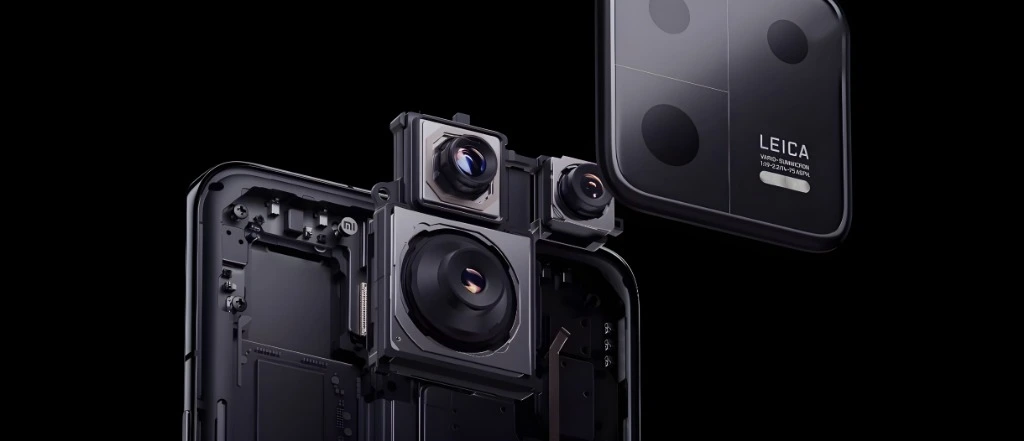
The Xiaomi 13 Pro’s 1-inch type sensor gives several real benefits:
The sensor measures around 13.2 x 8.8mm, which is much larger than the small sensors found in many regular smartphones. Most phone sensors are much smaller, so they often rely heavily on software to brighten images and reduce noise. With a larger sensor, the Xiaomi 13 Pro can collect more image data naturally. This helps photos look cleaner and more realistic, especially when the lighting is not perfect.
Bigger Sensor vs More Megapixels
Many brands promote high megapixel numbers, but a bigger sensor often matters more than a bigger number on paper. A 50MP image from a small sensor may not always look better than a lower-resolution image from a larger sensor. This is because each pixel needs enough light to produce clear detail. The Xiaomi 13 Pro combines both advantages. It offers a 50MP maximum resolution and a large 1-inch type sensor.
In normal mode, the phone captures 12MP images using pixel-binning technology. This helps improve brightness, detail, and noise control. For daily use, the 12MP mode is usually enough. It creates smaller files that are easy to share. For serious photography or editing, the 50MP mode gives extra detail and more room for cropping.
How the Xiaomi 13 Pro Compares to Standard Smartphones
Most smartphones still use smaller camera sensors. Even many premium phones depend heavily on computational photography to improve images. The Xiaomi 13 Pro stands out because its larger sensor gives it a more camera-like image style.
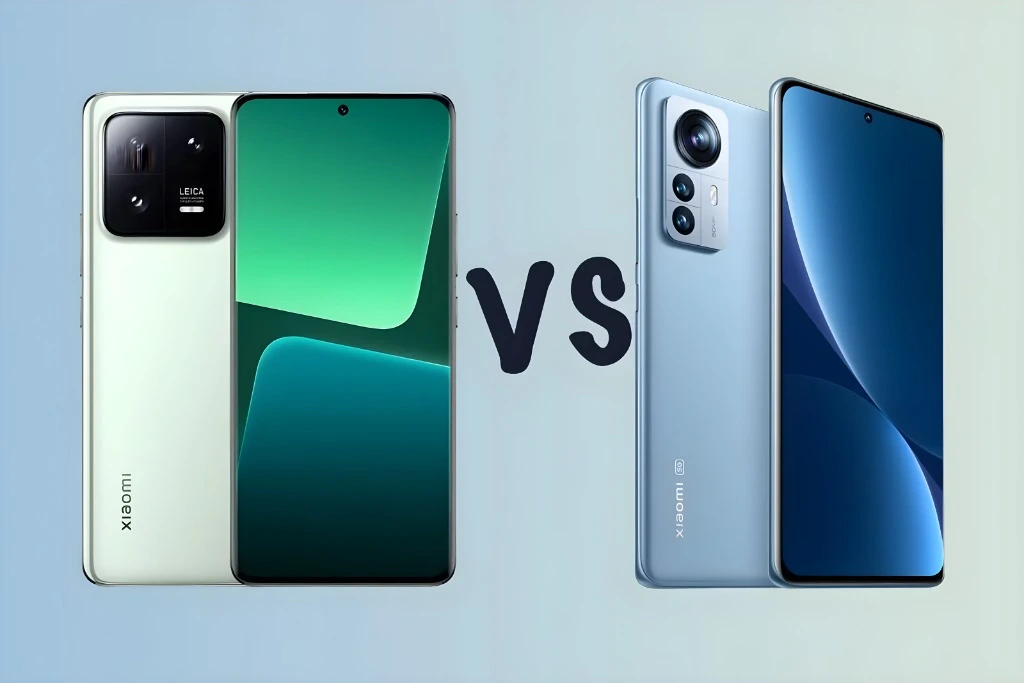
Compared to standard smartphones, the Xiaomi 13 Pro can deliver:
For example, when taking a photo in a dim restaurant, many phones may over-sharpen the image or create visible noise. The Xiaomi 13 Pro has more natural light-gathering ability, so the result often looks cleaner.
When shooting a person near a bright window, the larger sensor also helps preserve detail in both bright and dark areas. This is useful for portraits, indoor photos, and travel photography.
Leica Lenses and Optical Quality
The Xiaomi 13 Pro camera system is developed with Leica branding. Leica is known for premium optics, strong contrast, and natural color science. Of course, a brand name alone does not guarantee perfect photos. But on the Xiaomi 13 Pro, the Leica-tuned camera system works well with the large sensor. The main lens produces sharp results with good contrast. The ultra-wide lens is useful for landscapes, architecture, room interiors, and group photos.
The telephoto lens gives a 3.2x optical zoom, which is helpful for portraits and distant subjects. The telephoto camera is especially useful because it gives a more natural portrait look than digital zoom. It also helps avoid the distortion that can happen when shooting faces with a very wide lens.
Photo Quality in Real Life
In daily use, the Xiaomi 13 Pro camera feels powerful and flexible. It performs well in many common situations.
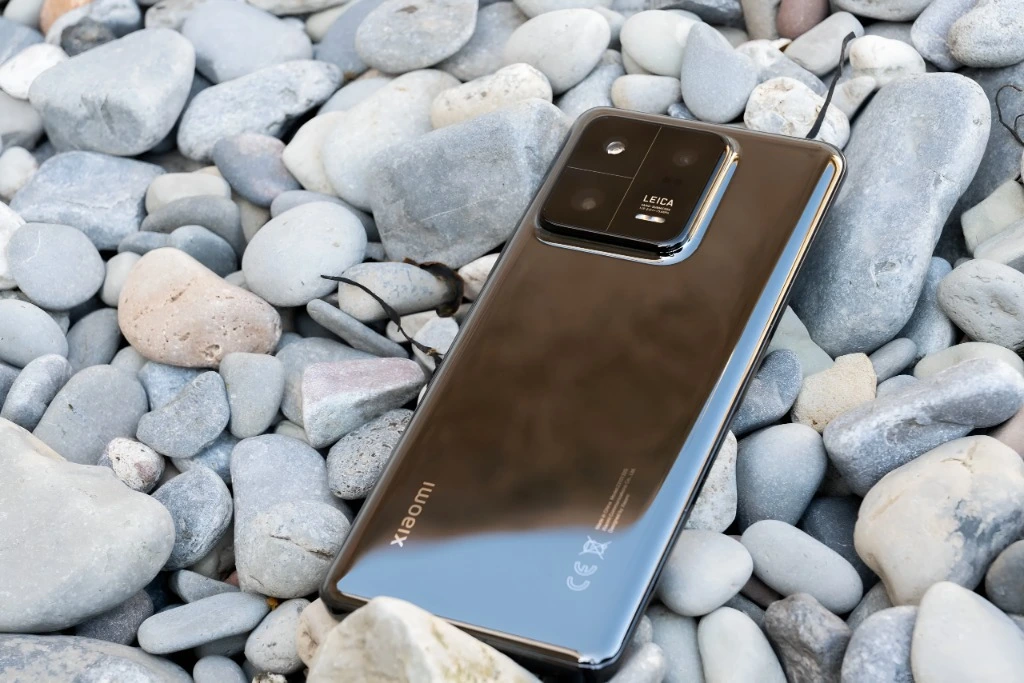
Studio Photography
Studio shots show strong detail, clean edges, and accurate colors. The 50MP mode is useful when you want to capture fine textures, such as fabric, product details, or close-up objects.
For product photography, the Xiaomi 13 Pro can be a useful tool. It captures enough detail for social media, blogs, and online listings.
Outdoor Photography
Outdoor photos look clear and balanced. Landscapes show good dynamic range, natural colors, and detailed shadows. The ultra-wide camera helps capture more of the scene, making it great for travel and architecture.

The main camera handles sunlight well. It can keep clouds, buildings, trees, and shadows looking detailed without making the photo look too artificial.
Portrait Photography
Portraits are one of the biggest strengths of the Xiaomi 13 Pro. The large sensor helps create a natural depth effect. Backgrounds look smoother, and the subject stands out more clearly.
This is different from artificial portrait mode blur. Software blur can sometimes make mistakes around hair, glasses, or clothing edges. The larger sensor helps create more natural separation before software is even applied.
Street Photography
The Xiaomi 13 Pro is also strong for street photography. The 23mm main lens is wide enough for scenes, buildings, and people. The 75mm telephoto lens is useful for capturing subjects from a distance without getting too close. This makes the phone practical for travel, city walks, markets, and documentary-style photography.
Low-Light and Night Photography
Low-light photography is where the Xiaomi 13 Pro’s large sensor becomes very useful. In dark environments, small phone sensors often create noisy images. They may also make photos look overly processed. The Xiaomi 13 Pro can capture more light naturally, which helps reduce these issues.

Low-light images usually show:
Night mode still plays a role, but the large sensor gives the phone a better starting point. This means night photos can look more realistic and less artificial.
It is important to be realistic. The Xiaomi 13 Pro is still not equal to a full-frame camera. Professional cameras still have larger sensors, better lenses, and more manual control. But compared to most smartphones, the Xiaomi 13 Pro offers a clear improvement in low-light performance.
Video Capabilities of the Xiaomi 13 Pro
The Xiaomi 13 Pro is not only good for photos. It also offers strong video features.
The phone supports:
The 1-inch type sensor helps video quality in the same way it helps photos. Videos can show better detail, cleaner shadows, and improved low-light performance. For vloggers, travel creators, and social media users, this makes the Xiaomi 13 Pro a capable content creation device. The phone is easy to carry, quick to use, and flexible enough for different shooting conditions.
The stabilization also helps when recording handheld videos. This is useful for walking shots, travel clips, events, and casual filming.
Why Photographers Are Excited About the Xiaomi 13 Pro
The Xiaomi 13 Pro is exciting because it brings smartphone photography closer to compact camera quality. For years, phone cameras improved mostly through software. AI processing, night mode, HDR, and sharpening helped phones produce better results. But hardware still matters. The 1-inch type sensor gives users more real photographic flexibility. It helps with light, depth, texture, and editing freedom.
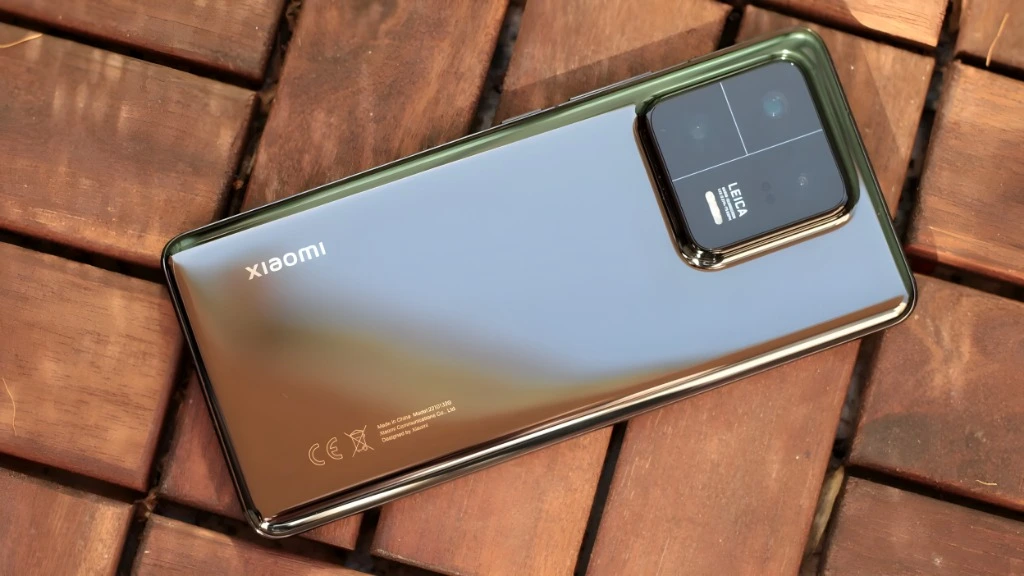
Photographers may appreciate the Xiaomi 13 Pro because it offers:
For hobby photographers, this can reduce the need to carry a compact camera everywhere. For content creators, it can improve the quality of daily photos and videos.
Potential Limitations
The Xiaomi 13 Pro camera is impressive, but it is not perfect. There are a few limitations to consider.
Size and Cost
Larger camera hardware can increase the price of the phone. It can also make the camera module larger. Some users may find the device expensive compared to regular smartphones.
Software Processing Still Matters
Even with a large sensor, smartphone software still plays a major role. Xiaomi’s image processing, HDR, sharpening, and color tuning affect the final result. Sometimes, the phone may still apply strong processing depending on the scene. Users who want full control may prefer using Pro Mode.
Not Every User Will Notice the Difference
Casual users who mostly take quick photos for messaging apps may not notice the full benefit. The difference becomes more obvious in low light, portraits, large screens, editing, and detailed scenes. For photography enthusiasts, the improvement is easier to see. For average users, it depends on how they use the camera.
Who Should Buy the Xiaomi 13 Pro?
The Xiaomi 13 Pro is a strong choice for users who care about camera quality.
It is suitable for:
It may not be necessary for users who only take basic photos, scan documents, or use the camera casually. But for people who want better image quality from a smartphone, the Xiaomi 13 Pro is worth considering.
Frequently Asked Questions (FAQs)
CONCLUSION
The Xiaomi 13 Pro proves that sensor size still matters in smartphone photography. Its 1-inch type main sensor helps capture more light, more detail, and more natural depth than many smaller-sensor phones. The camera performs well in portraits, landscapes, low light, street photography, and video recording. The Leica-tuned lenses add a premium feel, while the 50MP mode gives extra detail for editing and cropping.
It is not a replacement for a professional full-frame camera, but it is one of the most impressive smartphone camera systems in its class. For photographers, creators, and users who want high-quality mobile photos, the Xiaomi 13 Pro is a strong option. If you want a smartphone that can deliver sharper photos, better night shots, natural background blur, and more creative control, the Xiaomi 13 Pro deserves serious attention.