Sony A7R III Review 2026: High-Resolution Power and Speed
Sony A7R III Review 2026: High-Resolution Power and Speed
When Sony introduced the A7R III, it changed expectations for high-resolution cameras. Traditionally, photographers had to choose between resolution and speed. If you wanted ultra-detailed images, you often sacrificed burst shooting performance and autofocus speed.
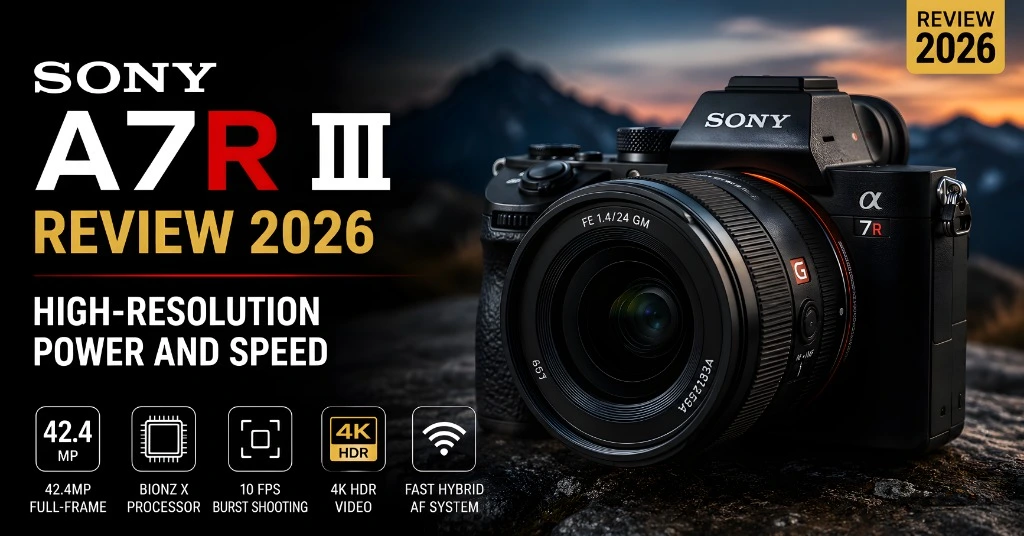
The Sony A7R III challenged that idea by combining a 42.4MP full-frame sensor with professional autofocus, 10fps continuous shooting, advanced image stabilization, and impressive video capabilities. Even years after its release, the Sony A7R III remains one of the most respected full-frame mirrorless cameras ever made.
Sony A7R III Review
The Sony A7R III is a professional full-frame mirrorless camera designed for photographers who need excellent image quality, fast performance, and reliable autofocus. With its 42.4-megapixel sensor, strong battery life, 4K video recording, and advanced shooting features, it remains a popular choice for landscape, portrait, wedding, and commercial photography.
In this Sony A7R III review, we will examine its design, image quality, autofocus, video performance, battery life, advantages, disadvantages, and overall value.
Sony A7R III Key Specifications
The Sony A7R III was designed for professional photographers and advanced enthusiasts.
Key specifications include:
On paper, these specifications place the camera firmly in the professional category.
Design and Build Quality
The Sony A7R III follows Sony’s familiar compact mirrorless design philosophy. Compared to many professional DSLRs, the body feels smaller and lighter without sacrificing durability. The magnesium-alloy construction feels solid, and weather sealing helps protect against dust and moisture.
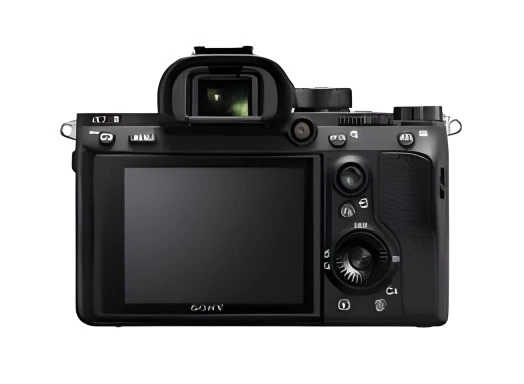
Sony also improved ergonomics compared to earlier A7 models. The grip is deeper and more comfortable, making long shooting sessions easier.
Professional photographers will appreciate the inclusion of:
These upgrades make daily operation significantly more efficient.
Image Quality: 42.4MP of Detail
Image quality is where the Sony A7R III truly shines. Its 42.4MP back-illuminated full-frame sensor captures extraordinary levels of detail. This makes it particularly attractive for:
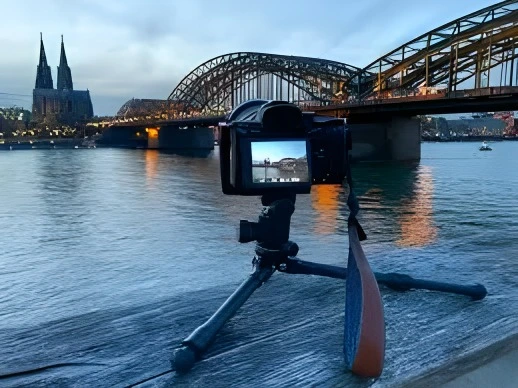
Images remain sharp and highly detailed even when heavily cropped. The lack of an optical low-pass filter further enhances detail retention, allowing photographers to maximize the sensor’s full potential.
Dynamic Range Performance
One of Sony’s biggest strengths has always been dynamic range. The A7R III delivers excellent highlight and shadow recovery, making it easier to work in challenging lighting conditions.
Photographers shooting:
will appreciate the camera’s ability to retain detail across bright and dark areas. This flexibility provides more editing freedom during post-processing.
Low-Light Performance
Despite its high resolution, the Sony A7R III performs impressively in low-light situations . The combination of the back-illuminated sensor and upgraded image processor helps reduce noise while maintaining detail. Images remain clean and usable even at relatively high ISO settings.
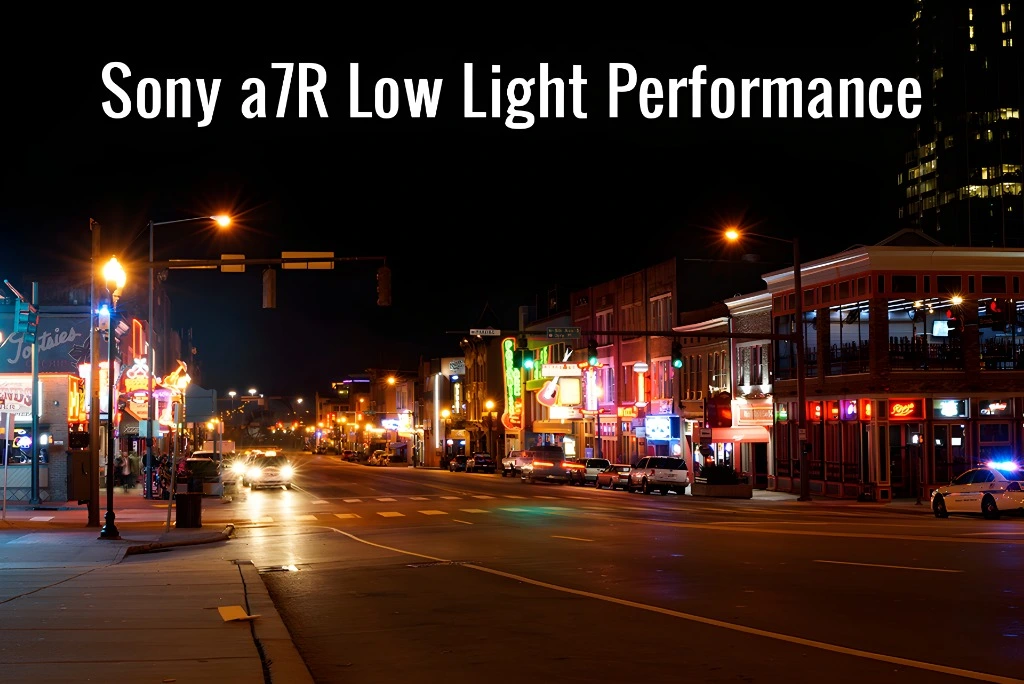
This makes the camera suitable for:
The camera balances resolution and noise performance remarkably well.
Autofocus Performance
Sony made major autofocus improvements compared to previous generations.
The camera includes:
Eye AF became one of the camera’s most praised features. Portrait photographers especially benefit from its ability to detect and maintain focus on a subject’s eye with impressive consistency.
Tracking performance also improved significantly, making the camera more capable for action and wildlife photography than earlier high-resolution models.
10fps Burst Shooting
High-resolution cameras are often associated with slower performance. The Sony A7R III changed that perception. With continuous shooting speeds of up to 10 frames per second, photographers can capture fast-moving subjects while still benefiting from 42.4MP image files.
This makes the camera suitable for:
The large buffer also helps maintain performance during extended shooting sequences. For photographers who need both speed and detail, this combination is extremely valuable.
5-Axis In-Body Image Stabilization
The Sony A7R III includes a highly effective 5-axis image stabilization system. Sony rates the stabilization at approximately 5.5 stops of compensation.
Benefits include:
Landscape photographers, travel shooters, and content creators all benefit from this feature.
Video Performance
Although primarily designed for photographers, the Sony A7R III is also a capable video camera.
Video features include:
Footage appears detailed, sharp, and professional. The inclusion of advanced video profiles allows filmmakers and content creators to perform extensive color grading in post-production.
Battery Life Improvements
Who Should Buy the Sony A7R III?
The Sony A7R III is ideal for:
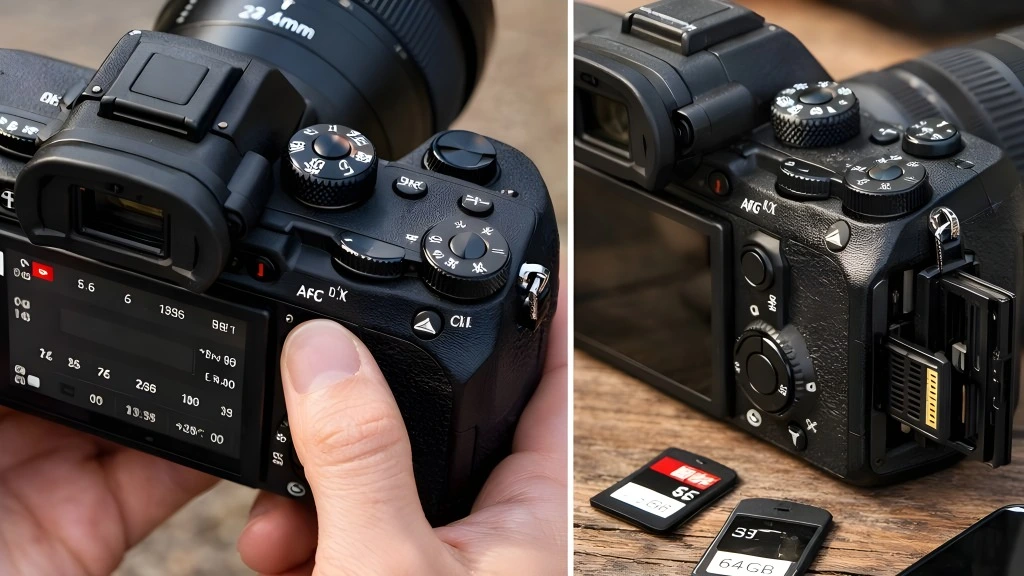
It is especially valuable for photographers who need maximum image detail without sacrificing autofocus speed and responsiveness.
Pros and Cons
PROS
CONS
Frequently Asked Questions (FAQs)
CONCLUSION
The Sony A7R III successfully combines two things photographers once had to choose between: resolution and speed. Its 42.4MP sensor delivers stunning detail while the advanced autofocus system, 10fps burst shooting, and powerful image stabilization make it a practical tool for real-world photography.
Whether you’re shooting landscapes, portraits, weddings, wildlife, or commercial work, the A7R III remains a highly capable full-frame camera that continues to impress years after its launch.