Buying Cameras 2026: Avoid These Costly Mistakes
Buying Cameras 2026: Avoid These Costly Mistakes
Buying a camera in 2026 can feel confusing because there are so many options available. Beginners often compare megapixels, camera brands, and prices without understanding what really matters. The wrong choice can waste money and make photography or video creation harder than it should be.
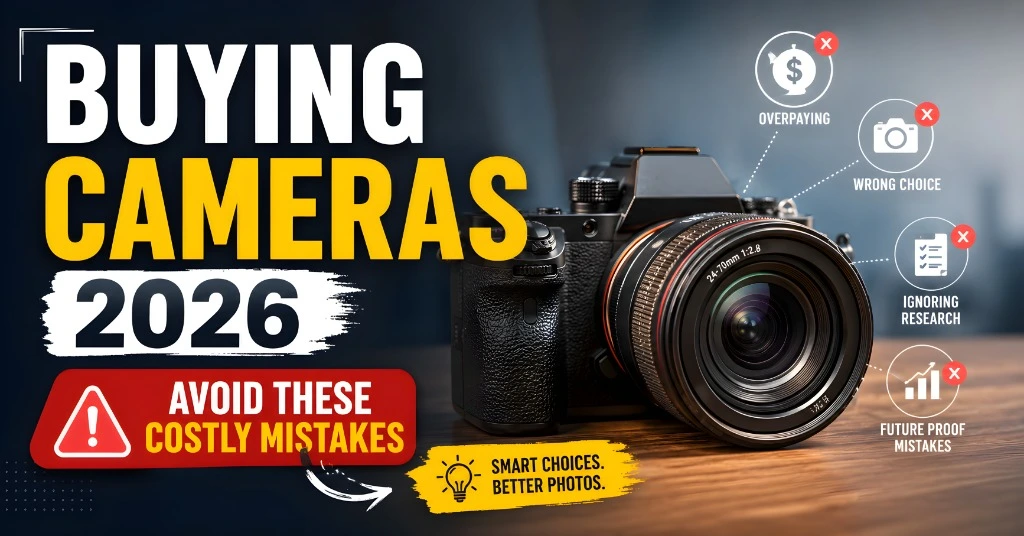
A good camera is not always the most expensive one, but the one that fits your needs, skills, and budget. Before buying, it is important to think about lenses, video features, accessories, and future upgrades. This guide will help you avoid costly camera-buying mistakes and choose a camera that is practical for real-life use.
What Is the Biggest Camera Buying Mistake in 2026?
The biggest mistake is buying a camera before knowing what you actually need it for. Many beginners buy a camera because it looks popular, has high megapixels, or is recommended by a YouTuber. But the best camera for travel may not be the best camera for portraits, wildlife, vlogging, or product photography.
In 2026, beginners have many choices, including mirrorless cameras, compact cameras, action cameras, vlogging cameras, and even powerful smartphones. The smart move is to choose based on your real use, budget, and future lens needs.
Buying the Most Expensive Camera Too Soon
A costly camera does not automatically make someone a better photographer. Many beginners think an expensive camera will fix poor lighting, framing, shaky hands, or weak editing. In reality, photography skills matter more than the price of the camera body. A beginner with a simple mirrorless camera can take better photos than someone using a pro camera without proper knowledge.
Entry-level mirrorless cameras with a kit lens are often the best starting choice. Beginner-friendly APS-C cameras offer good image quality without the high cost of full-frame systems. The real mistake is spending the full budget on the camera body only. Lenses, batteries, memory cards, a tripod, lighting, and editing tools are also important for better photography.
Ignoring the Lens System Before Buying
Many beginners focus only on the camera body and forget that lenses are just as important.
The lens affects photo quality, background blur, zoom range, low-light results, and the overall look. A basic camera with a good lens can often perform better than an expensive camera with the wrong lens. Before buying, always check the lens system and future upgrade options.
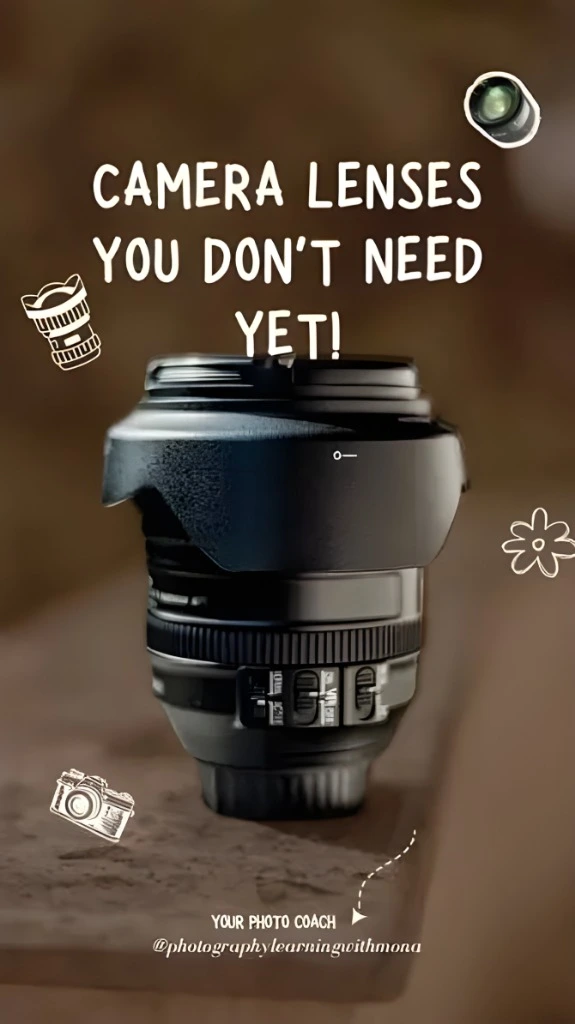
Make sure the brand offers affordable lenses for portraits, travel, wildlife, video, and low light. Also, check if used lenses are easy to find, because lenses can become expensive over time. Once you choose a camera brand, you are also choosing its lens ecosystem. The costly mistake is buying a camera first and later finding out that the lenses you need are too expensive.
Chasing Megapixels Instead of Useful Features
Megapixels are important, but they do not decide photo quality alone. Many beginners think more megapixels always mean better photos, but this is not true. For most users, 20 to 26 megapixels is enough for social media, websites, travel, and normal prints. Autofocus, lens quality, low-light performance, and comfort often matter more than high resolution.
Beginner-friendly features like eye detection, flip screen, 4K video, and simple menus are very useful. A camera should match your needs, whether you shoot people, videos, travel, or daily photos. Buying only by looking at numbers can lead to a camera that feels heavy or confusing. Very high megapixel cameras also create large files, which need more storage and slower editing.
Choosing the Wrong Camera Type for Your Needs
Not every beginner needs the same type of camera. The wrong camera can waste money if it does not match your lifestyle or main use. A travel photographer, YouTuber, wildlife shooter, and parent all need different features. The best camera is not always the most popular one, but the one that fits your daily needs.
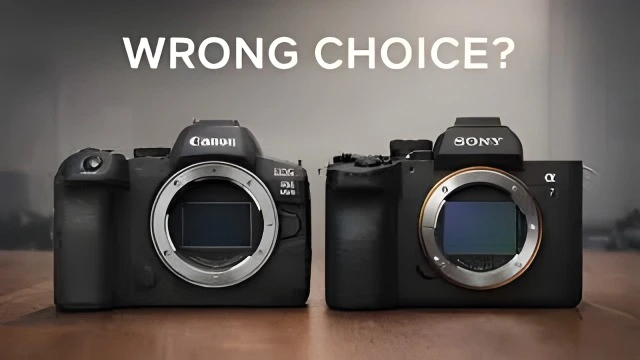
For family, travel, portraits, and learning, an entry-level mirrorless camera is a strong choice. For videos, reels, and YouTube, a vlogging camera with autofocus and a flip screen may be better. For sports or wildlife, fast autofocus and a telephoto lens are more important. Always match the camera type to your main purpose before comparing different models.
Forgetting About Video, Audio, and Content Creation Needs
In 2026, many beginners need a camera for both photos and videos. If you create content for YouTube, Instagram, TikTok, shops, courses, or personal brands, video features matter. Do not choose a camera based only on photo quality if you also plan to record videos. Look for 4K video, reliable autofocus, a front-facing screen, microphone support, and good battery life.
A flip screen is helpful for self-recording, while clean autofocus is useful for products and tutorials. Audio quality is also important, especially for interviews and talking-head videos. Some cameras take great photos but perform poorly in video due to cropping, overheating, or weak autofocus. If video is part of your work, always check video specs carefully before buying.
Not Planning the Full Budget Before Purchase
The camera price is not the final cost beginners should plan for. After buying a camera, you may still need memory cards, batteries, a bag, a tripod, lighting, or editing tools. If you do not include these extra costs, an affordable camera can become expensive quickly. A smart budget should cover the camera body, lens, and basic accessories.
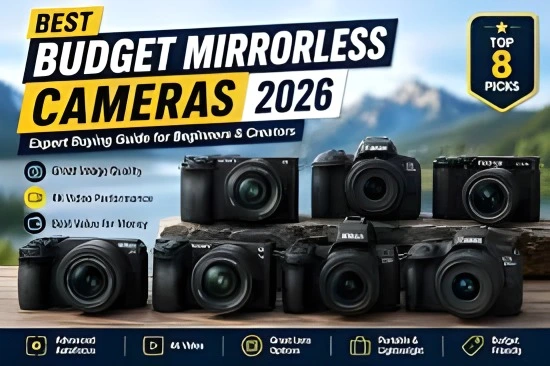
The kit lens is often enough at first, but you may later need portrait, wide-angle, or zoom lenses. Used gear can also be a smart option because many older cameras still take excellent photos. A good lens with a slightly older camera can be better than a new camera with no accessories.
Always plan the full setup cost, not just the camera body price.
Camera Buying Costly Mistakes Checklist
Before you buy a camera in 2026, avoid these mistakes:
| Mistake | Why It Costs You Money | Better Choice |
|---|---|---|
| Buying the most expensive camera | You may not use its advanced features | Start with a beginner-friendly model |
| Ignoring lenses | Lenses can cost more than the camera | Check lens prices first |
| Chasing megapixels | More megapixels do not always mean better photos | Focus on autofocus, lens, and usability |
| Buying the wrong camera type | It may not fit your needs | Choose based on your main use |
| Forgetting video needs | Some photo cameras are weak for video | Check 4K, autofocus, screen, and mic input |
| Skipping accessories | You may need extra gear later | Plan a full camera budget |
| Buying because of hype | Popular does not mean right for you | Compare based on your own needs |
Frequently Asked Questions (FAQs)
CONCLUSION
Buying a camera in 2026 should be exciting, not stressful. The goal is not to buy the most expensive camera or the camera with the longest spec sheet. The goal is to buy a camera that helps you take more photos, learn faster, and enjoy the process. For most beginners, an entry-level mirrorless camera with a kit lens is a safe and flexible choice. If you mainly create videos, choose a creator-friendly camera.
If you travel often, choose something light. If you want wildlife or sports, save money for a good zoom lens. If you only need casual photos, your phone may already be enough. The best way to avoid costly mistakes is simple: know your purpose, check the lens system, plan your full budget, and do not buy based on hype. A camera should fit your life, not just your wishlist.