Xiaomi Redmi Note 14 Camera Review 2026: 108MP
Xiaomi Redmi Note 14 Camera Review 2026: 108MP
The Xiaomi Redmi Note 14 is one of the most affordable smartphones with a high-resolution 108MP main camera. On paper, that sounds impressive. A 108MP camera on a budget phone can easily attract casual users, students, and first-time smartphone buyers who want sharp photos without spending too much. But camera quality is not only about megapixels. A good phone camera also depends on sensor size, software processing, lens quality, HDR, low-light control, stabilization, and video features.
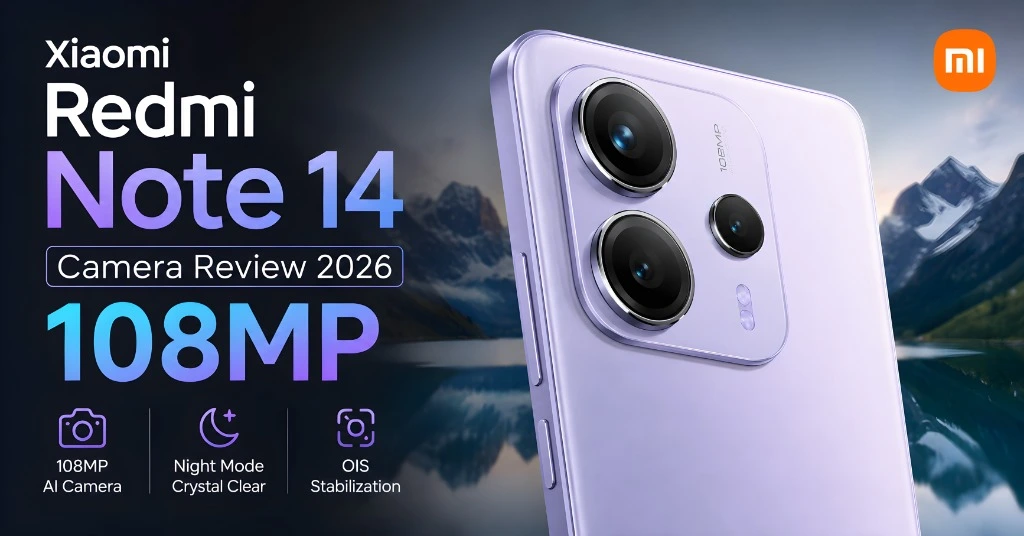
The Redmi Note 14 does not try to compete with flagship phones. It does not have a strong ultra-wide camera, advanced zoom hardware, 4K video, or premium low-light performance. Instead, it focuses on one main strength: a capable 108MP main camera that performs well in daylight and well-lit scenes. In this Xiaomi Redmi Note 14 camera review, we will look at its camera specs, real-world photo quality, portrait mode, night shots, zoom, video limits, practical photography tips, and who should buy this budget camera phone.
Is the Xiaomi Redmi Note 14 Camera Good?
Yes, the Xiaomi Redmi Note 14 camera is good for its price, especially in daylight. Its 108MP main camera can capture detailed photos in bright outdoor scenes, landscapes, city views, and well-lit indoor conditions. However, it is not a phone for serious photographers. Low-light photos show noise, the macro lens is basic, there is no ultra-wide camera on the base model, and video recording is limited compared to higher models.
If you want a cheap phone for casual photos, social media, portraits, and daily memories, the Redmi Note 14 offers strong value. If you want flagship-level night shots, 4K video, or multiple useful lenses, you should consider a higher model.
Xiaomi Redmi Note 14 Camera Specs
The Redmi Note 14 uses a simple camera setup. The main 108MP camera is the most important part of the system. The other lenses are basic and should not be expected to deliver major results.
| Feature | Xiaomi Redmi Note 14 | Higher Model Comparison: Redmi Note 14 Pro+ 5G |
|---|---|---|
| Main Camera | 24mm, 108MP, f/1.7, 1/1.67-inch sensor | 23mm, 200MP, f/1.65, 1/1.4-inch sensor, OIS |
| Ultra-Wide Camera | None | 15mm, 8MP, f/2.2 |
| Macro Lens | 2MP, f/2.4 | 2MP, f/2.4 |
| Depth Camera | 2MP, f/2.4 | Not the main focus |
| Front Camera | 20MP, f/2.2 | 20MP, f/2.2 |
| Rear Video | 1080p, 720p | Up to 4K |
| Best Use | Daylight casual photos | More advanced photography and video |
The main 108MP sensor is the only camera that delivers strong results. The macro lens is mostly for fun, and the depth sensor helps with portrait mode. Since there is no ultra-wide camera on the base model, all normal photos rely heavily on the main sensor.
What Works Well
Colors and details look solid in daylight or well-lit interiors.
Works reasonably with the depth sensor.
AI Camera enhances saturation; HDR improves dynamic range.
Useful for landscapes or scenes where details matter.
Excellent for a phone costing around 3,000 CZK (~$130 USD).
Main 108MP Camera: The Biggest Strength
The 108MP main camera is the main reason to consider the Redmi Note 14 for photography. It gives the phone a strong selling point in the budget category. In good lighting, the main camera can capture sharp photos with solid detail. Outdoor scenes, buildings, landscapes, plants, food, and everyday subjects usually look good. Colors are bright enough for social media, and details are acceptable for a phone in this price range.
The camera works best in these conditions:
The 108MP mode can be useful when you want extra detail. For example, you can use it for buildings, landscapes, or scenes where you may crop the photo later. But for normal daily use, the standard photo mode is usually better because it creates smaller files and processes images faster.
Image Quality in Daylight
Daylight photography is where the Xiaomi Redmi Note 14 performs best. When there is enough light, the phone can capture pleasing photos with good clarity. Colors usually look lively, especially when the AI Camera is enabled. Green plants, blue skies, buildings, food, and bright clothing can look attractive. This makes the phone useful for casual users who want ready-to-share photos.

Sharpness is also decent in the center of the image. Fine details such as leaves, walls, signs, and textures can look clear in good light. However, if you zoom in closely, you may notice that the image is not as clean as photos from higher-end phones. This is normal for a budget device. The Redmi Note 14 gives good results for the price, but it cannot match flagship processing, advanced optics, or larger sensors.
Portrait Mode Performance
Portrait mode on the Redmi Note 14 works reasonably well in good lighting. The depth sensor helps separate the subject from the background, creating a blurred background effect. For people, pets, and simple objects, portrait mode can produce nice results. It works best when the subject is clear, and the background is not too busy.
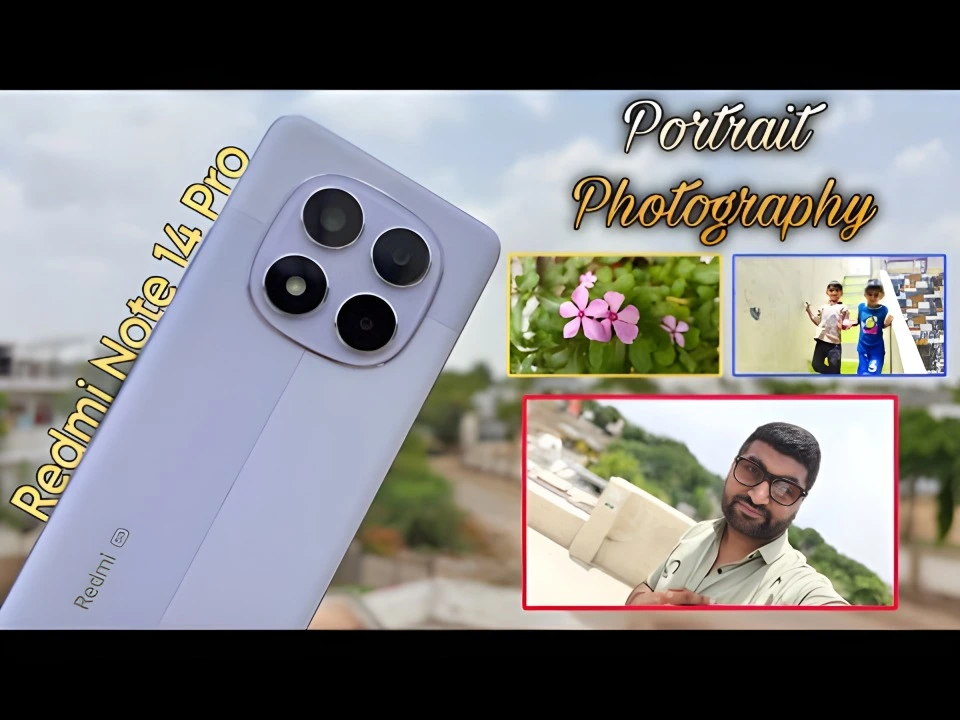
Use portrait mode in these situations:
However, portrait mode is not perfect. Edge detection may struggle around hair, glasses, clothing, or complex backgrounds. In low light, portrait shots can become soft or noisy. For the best results, keep the subject in good light and avoid cluttered backgrounds.
AI Camera and HDR Performance
The Redmi Note 14 includes AI Camera and HDR features. Both can help improve photos, but they should be used carefully.
AI Camera
AI Camera tries to detect the scene and adjust colors automatically. It can make photos look brighter and more colorful. This is useful for food, landscapes, flowers, and outdoor shots. However, AI Camera can sometimes oversaturate colors. Grass may look too green, skies may look too blue, and food may appear less natural. Use an AI Camera when you want a bold and colorful look. Turn it off when you want more natural colors.
HDR Mode
HDR is more useful in difficult lighting. It helps balance the bright and dark parts of the photo. For example, if you are taking a photo of a building against a bright sky, HDR can help keep more detail in both areas.
Keep HDR on for:
HDR will not turn the Redmi Note 14 into a flagship camera, but it can improve dynamic range and make photos more balanced.
Low-Light and Night Photography
Low-light photography is one of the weakest areas of the Xiaomi Redmi Note 14 camera. In dark scenes, the phone starts to show noise, softer details, and weaker contrast. Indoor night photos, dim restaurants, evening streets, and low-light landscapes can look less sharp. This happens because budget phones usually have smaller sensors, limited stabilization, and less advanced processing.
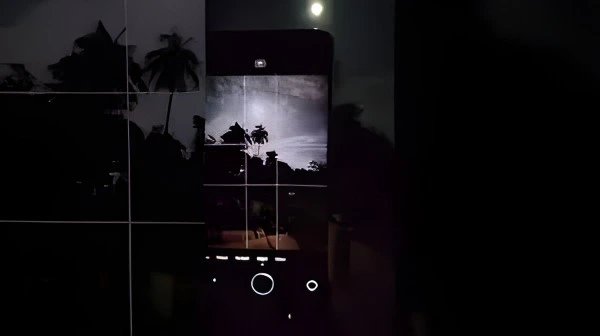


The 108MP number sounds powerful, but it does not guarantee excellent night photography. You can still get usable night photos if there is some light in the scene. Street lights, shop signs, lamps, and window light can help. But in very dark areas, photos may look grainy.
For better low-light photos:
The Redmi Note 14 is fine for casual night photos, but it is not ideal for users who care deeply about low-light photography.
No Ultra-Wide Camera: A Clear Limitation
One important limitation of the base Redmi Note 14 is the lack of an ultra-wide camera. This means you cannot easily capture very wide scenes such as large buildings, wide landscapes, small rooms, or big group photos. You will need to step back physically to fit more into the frame. This may not bother every user. Many casual users mostly use the main camera anyway.
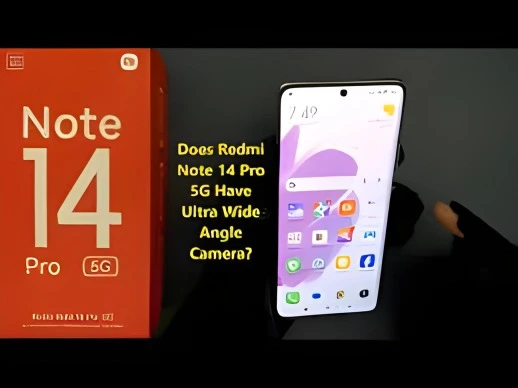
But if you often shoot travel photos, architecture, interiors, or large groups, the missing ultra-wide lens is a real drawback. Higher models in the Redmi Note 14 series offer more camera flexibility. So if ultra-wide photography matters to you, the base Redmi Note 14 may not be the best choice.
Macro Lens: Mostly for Experimentation
The Redmi Note 14 includes a 2MP macro lens. It allows close-up shots of small subjects like flowers, leaves, coins, textures, or insects. However, the quality is limited. A 2MP macro camera does not capture much detail, and photos can look soft unless the lighting is very good.
The macro lens is fine for fun and experimentation, but it is not useful for serious macro photography. In many cases, you may get better results by using the main camera and cropping the image.
Use the macro lens only when:
For most users, the macro camera will be used rarely.
Digital Zoom Performance
The Redmi Note 14 does not have a dedicated telephoto lens. All zoom is handled digitally through the main camera. Digital zoom can be useful at low levels, but quality drops as the zoom increases. A small amount of zoom may be acceptable in daylight, but high zoom levels can make photos look soft, noisy, or overprocessed. For the best results, avoid heavy digital zoom. Move closer to the subject whenever possible.
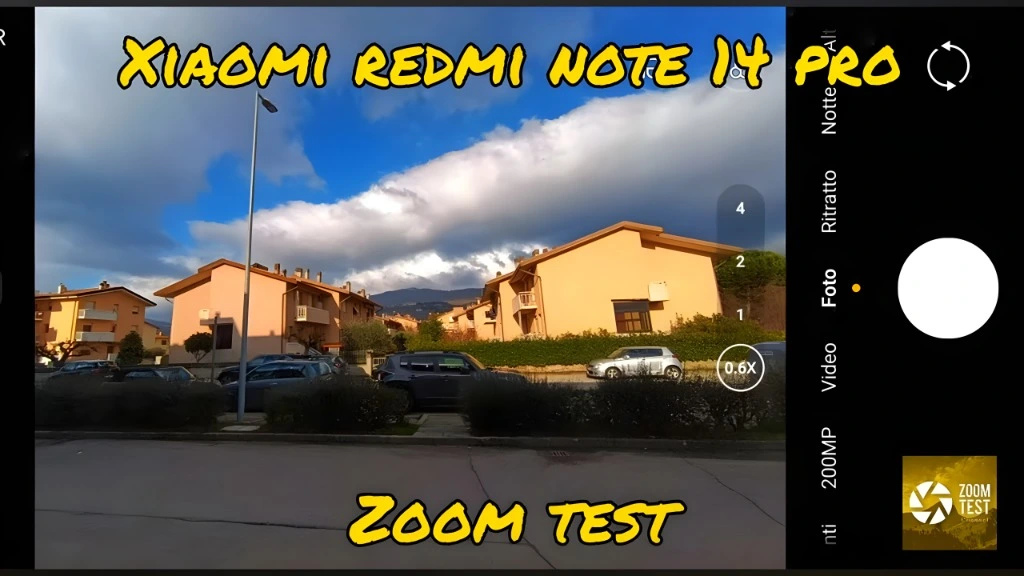
Good zoom habits:
Digital zoom is convenient, but it cannot replace a real optical zoom lens.
Video Recording Limitations
Video is another area where the Xiaomi Redmi Note 14 shows its budget nature. The phone does not support 4K video recording. It also does not offer advanced HDR video features found on more expensive phones. This means video creators may feel limited.
For casual users, 1080p video is still enough for daily clips, family moments, school events, and social media. But if you want sharper video, better editing flexibility, or higher-quality content creation, this phone is not the best choice.
The Redmi Note 14 video is best for:
It is not ideal for professional content creators, vloggers, or users who need 4K footage.
Front Camera and Selfies
The 20MP front camera is decent for selfies and video calls. In good light, selfies look clear enough for social media and daily use. Skin tones are acceptable, and detail is fine for a budget phone. Beauty filters and portrait effects may improve the look for users who like smoother selfies. However, selfie quality drops in low light. Indoor evening selfies may look soft, and front-camera video is basic.
For better selfies:
The selfie camera is not the highlight of the phone, but it is good enough for casual users.
Practical Photography Tips for Redmi Note 14 Users
To get the best camera results from the Xiaomi Redmi Note 14, you need to work with its strengths.
This is the most important tip. The Redmi Note 14 performs best in daylight or bright indoor conditions.
HDR helps improve shadows and highlights, especially in outdoor scenes with bright skies.
AI Camera can make photos look more colorful, but it may oversaturate some scenes. Use it when you want a bold look.
Use full-resolution mode for landscapes, cityscapes, and architecture. It is useful when you may crop later.
Digital zoom reduces image quality. Move closer to your subject for better results.
Portrait mode works best when the lighting is strong and the background is simple.
The 2MP macro camera is basic. Use it for fun, not professional close-ups.
Who Should Buy the Xiaomi Redmi Note 14?
The Redmi Note 14 is a good choice for users who want a low-cost phone with a capable main camera.
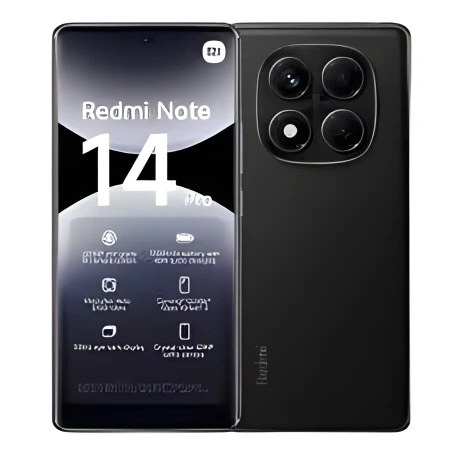
It is suitable for:
This phone is about value. It gives you a high-resolution main camera at a very affordable price.
Who Should Skip the Xiaomi Redmi Note 14?
The Redmi Note 14 is not the right phone for everyone.
You should skip it if you need:
If camera flexibility matters more than price, a higher Redmi Note model or another mid-range phone may be better.
Pros and Cons of Xiaomi Redmi Note 14 Camera
PROS
CONS
Frequently Asked Questions (FAQs)
CONCLUSION
The Xiaomi Redmi Note 14 offers impressive value for a budget smartphone. Its 108MP main camera can capture detailed, colorful, and useful photos in daylight and well-lit conditions. It is not a perfect camera phone. Low-light results are limited, there is no ultra-wide camera, the macro lens is weak, and video features are basic. But these limits are expected at this price point.
For casual users, students, and budget buyers, the Redmi Note 14 is a practical choice. It delivers good photos when the lighting is right and offers enough camera quality for everyday use. If you want a simple and affordable phone with a strong main camera, the Xiaomi Redmi Note 14 is worth considering. If you want advanced photography, better video, ultra-wide shots, or flagship-level night performance, you should look at a higher model.